Tidepool Roasters / Falmouth
Coffee from the edge of the map.
We buy from five farms, roast on a 12 kg drum on Tuesdays, and put the roast date on the bag instead of a best-before. Everything else is detail.
Horizontal scroll and parallax
From a farm to your Tuesday
01 — Origin
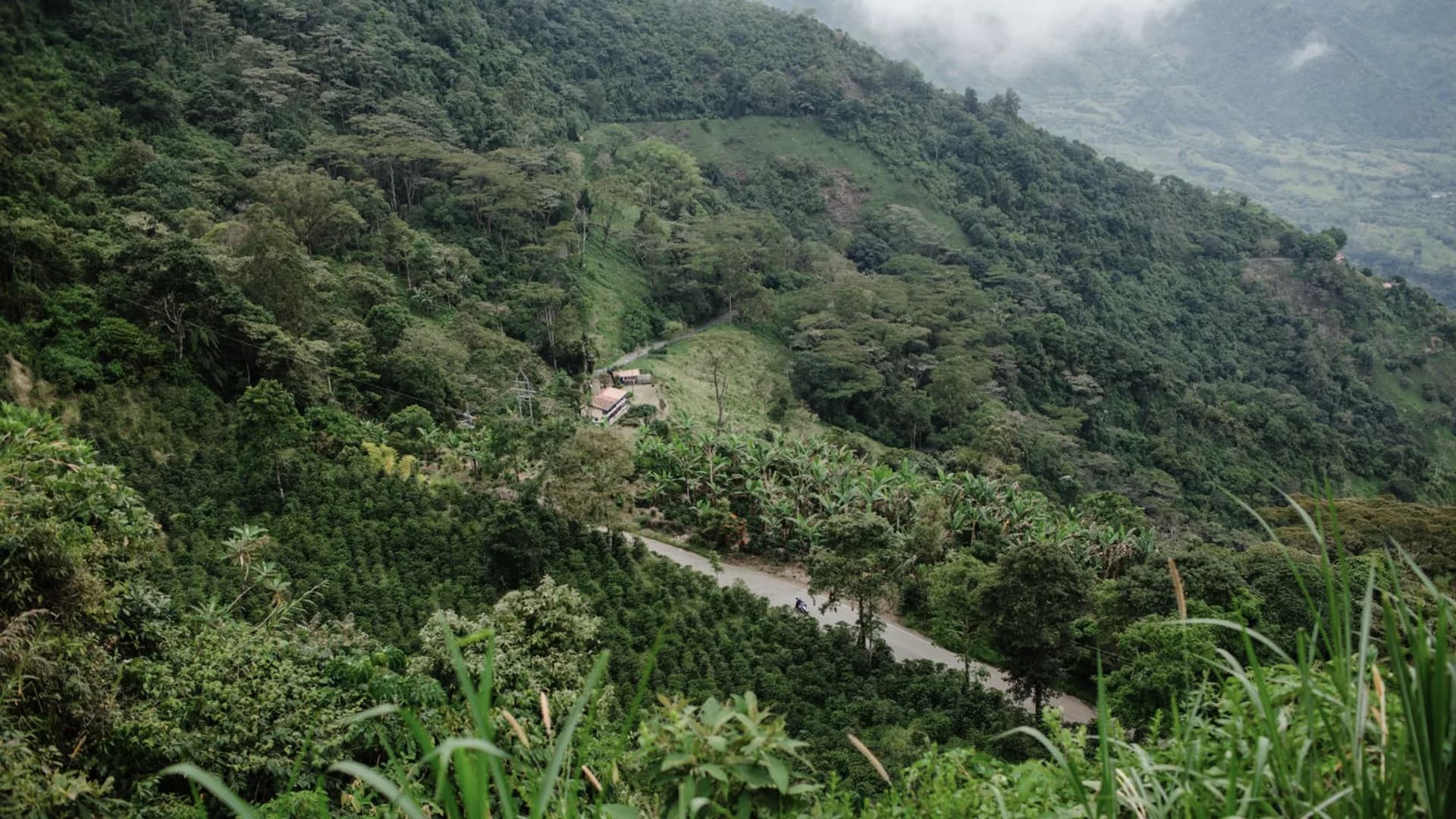
Five farms, named
Huila, Nyeri, Yirgacheffe, Antigua and one small lot from Sumatra we buy when it is good and skip when it is not. Every bag says which farm, which lot, and what we paid for it. The last part is unusual and it should not be.
02 — Altitude
Between 1,400 and 2,100 metres
Higher grows slower, and slower grows denser. A dense bean takes heat differently, holds acidity, and forgives a roaster less. We buy high and then have to earn it on the drum.
03 — Process
Washed, mostly
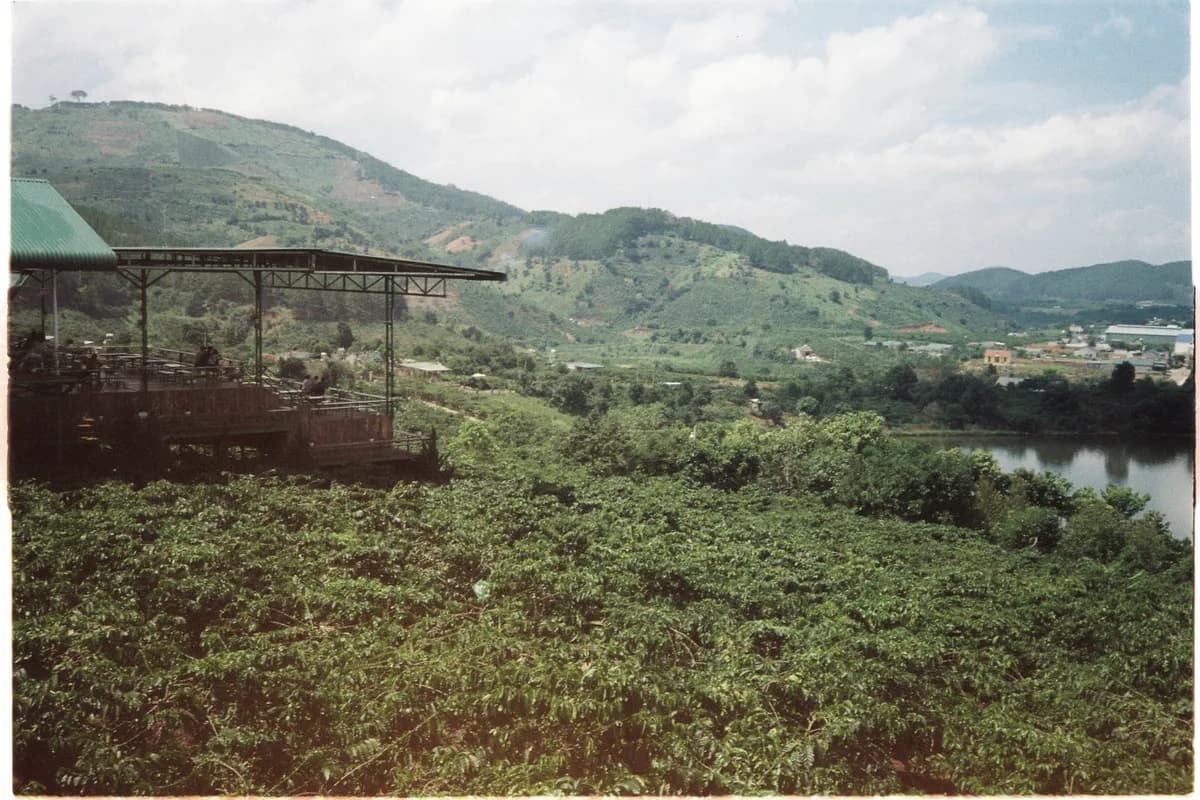
Washed for clarity, natural when the farm does it properly and the fruit is worth showing. We do not buy experimental ferments. They are interesting once and then you have to drink the rest of the bag.
04 — Roast
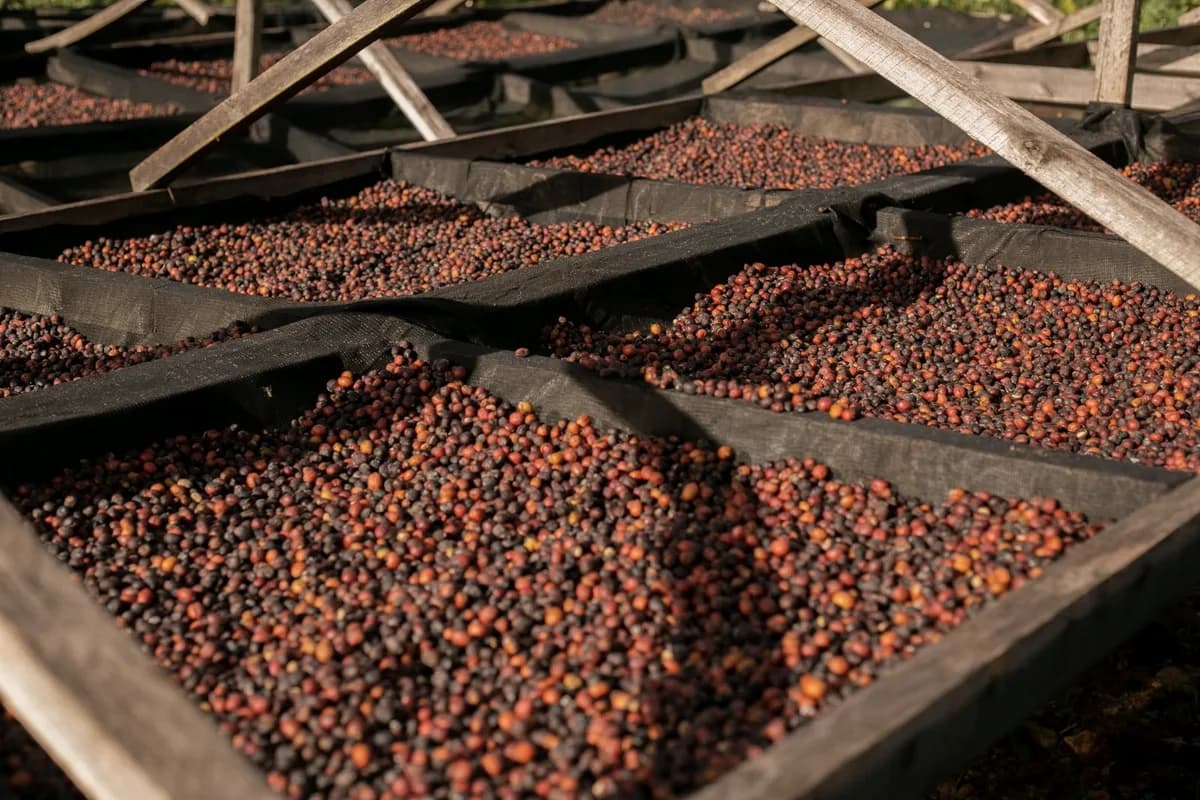
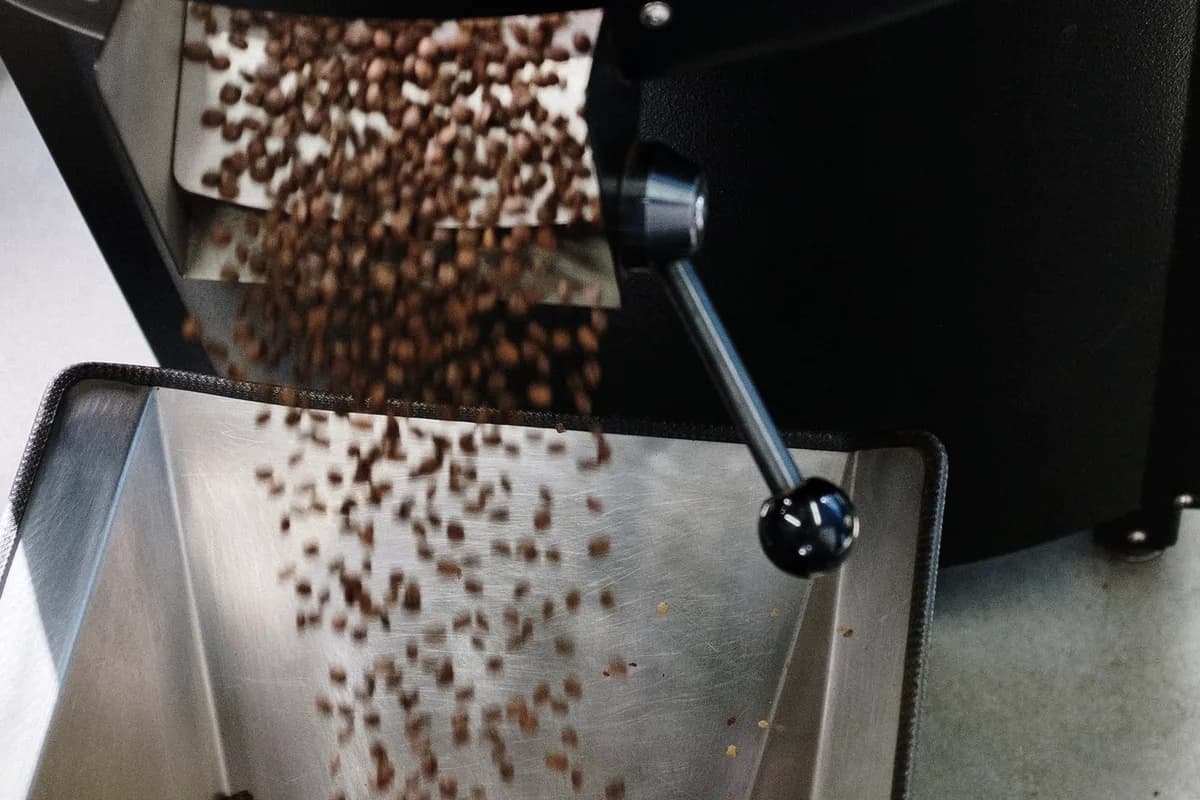
Twelve kilos at a time
First crack at around nine minutes, drop between eleven and twelve depending on the lot. We log every batch and publish the curve. If a roast goes long we sell it as what it is rather than renaming it.
05 — Cup
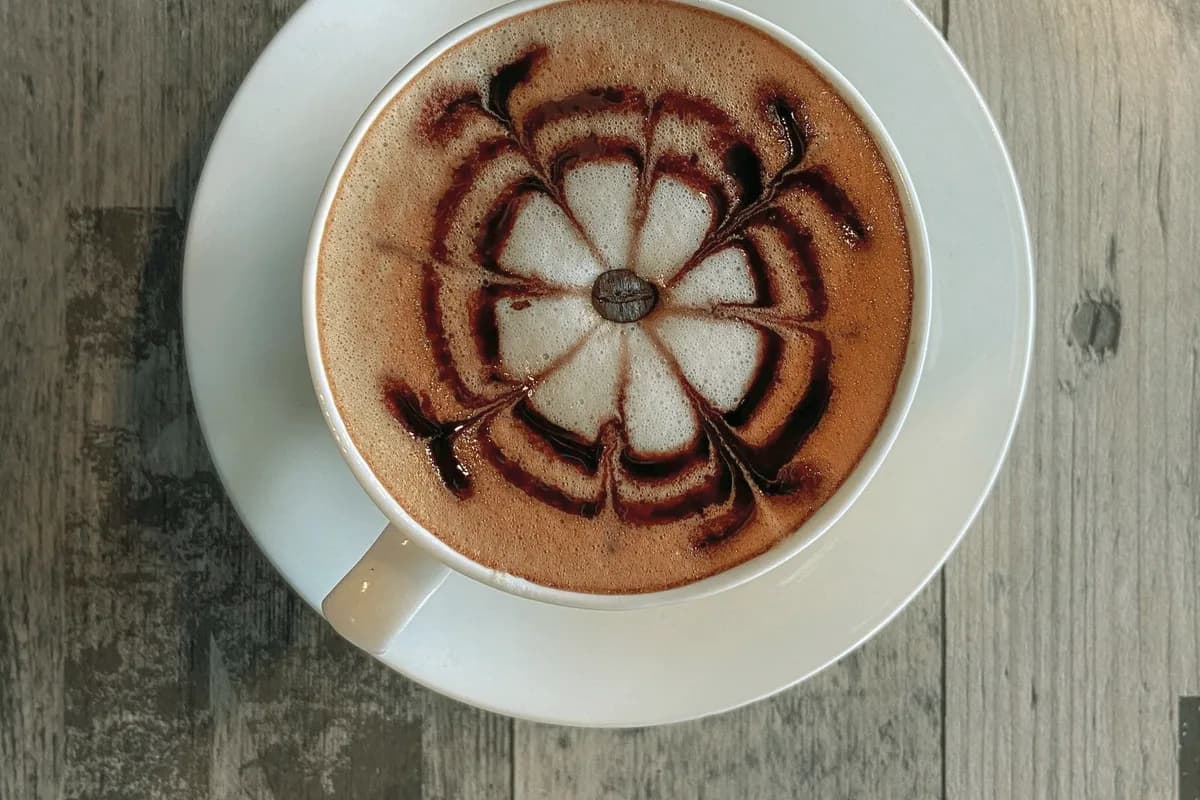
Ten days after the date on the bag
Rest it. Grind it coarse for filter, finer than you think for espresso, and use more coffee than the packet says. If it tastes thin, that is almost always the answer.
Video, frame by frame
Eleven minutes, at your pace
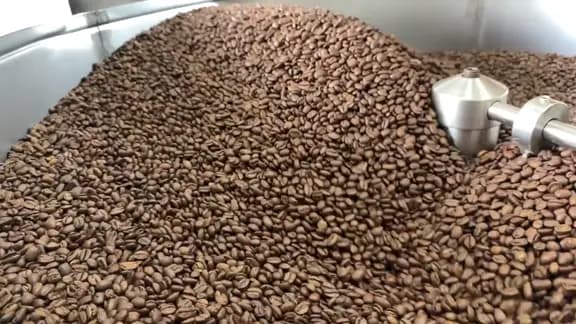
This is the drum on a Tuesday, filmed at 100 frames a second and cut to sixty. Scroll it forwards and back — the beans move when you move, because the whole clip is sitting in memory as frames rather than playing as video.
01
Charge. The drum is at 190°C and the beans drop the temperature by a hundred degrees in ninety seconds.
02
Yellowing, around six minutes. The grassy smell goes and the beans start to smell like bread.
03
First crack at 9:04. From here we have about two and a half minutes to decide what this coffee is.
Roast
The roast curve, published
Bean temperature against time for our Huila washed, batch 219. First crack at 9:04, dropped at 11:40. Every batch we sell has one of these and we will send you the file if you ask.
| Time | Bean temp | Event |
|---|---|---|
| 0:00 | 190°C | Charge |
| 1:40 | 92°C | Turnaround |
| 6:20 | 150°C | Yellowing |
| 9:04 | 196°C | First crack |
| 11:40 | 209°C | Drop |
Coffee
The range
Six coffees. Four are always on, two rotate.
Showing 6 of 6 coffees
Filter
Huila
Colombia
Red apple, cane sugar, cocoa
£11.50
Filter
Nyeri
Kenya
Blackcurrant, tomato leaf, grapefruit
£13.00
Filter
Yirgacheffe
Ethiopia
Bergamot, peach, jasmine
£12.50
Espresso
Antigua
Guatemala
Dark chocolate, orange peel, almond
£11.00
Espresso
Harbour
Blend
Hazelnut, toffee, dried fig
£10.50
Decaf
Nightshift
Colombia
Sugarcane EA. Plum, cocoa, brown sugar
£12.00
Cupping
The same six coffees, measured
Every roaster scores a lot on these axes before deciding what to write on the bag. Point at a coffee and the shape changes — the wheel is the score sheet, the sentence underneath is what we made of it.
Huila — Red apple, cane sugar, cocoa
| Coffee | Acid | Body | Swee | Frui | Coco | Fini |
|---|---|---|---|---|---|---|
| 7 | 6 | 8 | 6 | 7 | 6 | |
| 9 | 5 | 6 | 9 | 3 | 8 | |
| 8 | 4 | 7 | 8 | 2 | 7 | |
| 5 | 8 | 6 | 3 | 9 | 7 | |
| 4 | 9 | 7 | 2 | 8 | 6 | |
| 5 | 7 | 8 | 5 | 8 | 5 |
The roastery
Then it is yours
Rest it ten days, grind coarse, and use more coffee than the packet says. Brew time is the one variable we cannot set for you.
Subscription
Subscription
Roasted Tuesday, posted Tuesday, with you Thursday. Pause it whenever, from the email, without talking to anyone.
One bag
£11
every two weeks
- 250 g, your choice of roast
- Roast date on the bag
- Pause or cancel from any email
Two bags
£21
every two weeks
- 500 g across two coffees
- One rotating lot each time
- Free postage
- Pause or cancel from any email
The lot
£38
monthly
- 1 kg, roasted to order
- Batch curve included
- Free postage
- First refusal on micro-lots
Tidepool Roasters
A railway arch in Falmouth, a 12 kg drum, and a van that mostly starts.
Start a subscriptionConcept work — fictional brand, built to demonstrate technique. Nothing is for sale.